


Have you ever watched your child go from happy to overwhelmed in a matter of seconds? Maybe they burst into tears when it’s time to leave the park, become frustrated over a small mistake, or have a meltdown after hearing the word “no.”
If so, you’re not alone.
Many parents worry that these big emotional reactions mean something is “wrong.” In reality, strong emotions are a normal part of childhood. Young children are still developing the brain skills needed to manage frustration, disappointment, excitement, and anxiety.
The good news? Emotion regulation is a skill—and like any skill, it can be learned with practice and support.
What Is Emotion Regulation?
Emotion regulation is the ability to recognize, understand, and manage emotions in ways that are appropriate and helpful.
It doesn’t mean children never get upset. Instead, it means they gradually learn to:

- Recognize how they’re feeling.
- Express emotions in healthy ways.
- Recover from disappointment or frustration.
- Solve problems without becoming overwhelmed.
- Ask for help when needed.
These abilities continue developing throughout childhood and adolescence.
Why Do Some Children Have Bigger Emotions?
Every child has a unique temperament. Some children are naturally more sensitive, persistent, cautious, or intense than others.
Factors that influence emotion regulation include:
- Age and brain development.
- Temperament.
- Sleep and nutrition.
- Stressful life events.
- Sensory sensitivities.
- Neurodevelopmental differences, such as ADHD or autism.
Remember: having big emotions doesn’t mean your child is “bad” or manipulative. It often means they’re struggling with skills they haven’t fully developed yet.
Five Ways Parents Can Support Emotion Regulation
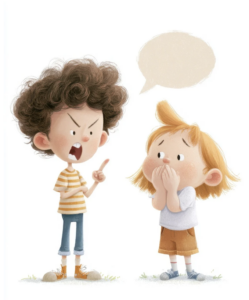 1. Name the Emotion
Children first need a vocabulary for their feelings.
Instead of saying: “Calm down.”
Try:
- “You seem really frustrated.”
- “I wonder if you’re feeling disappointed.”
- “It looks like you’re nervous.”
When children hear emotions labeled consistently, they become better at recognizing them in themselves.
2. Validate Before You Problem-Solve
Validation doesn’t mean agreeing with the behaviour – it means acknowledging the feeling.
For example: “You really wanted to stay longer at the playground. I understand why you’re upset.”
Children who feel understood are often able to calm more quickly because they don’t have to work as hard to prove how they feel.
3. Stay Calm Yourself
Children borrow our nervous systems.
When adults respond with yelling, threats, or panic, children’s emotions often escalate.
Instead:
- Speak slowly.
- Lower your voice.
- Keep your words brief.
- Stay nearby if it’s safe to do so.
Your calm presence helps your child’s brain return to a regulated state.
4. Teach Coping Skills During Calm Moments
It’s difficult to learn new strategies in the middle of a meltdown.
Practice calming tools when your child is already relaxed, such as:
- Belly breathing.
- Stretching or yoga.
- Counting to ten.
- Taking a drink of water.
- Squeezing a pillow or stress ball.
- Listening to calming music.
- Drawing or colouring.
- Taking a movement break.
The more children practice these skills, the more likely they are to use them when emotions become intense.
5. Model Healthy Emotional Regulation
Children learn far more from what we do than what we say.
When you become frustrated, try narrating your own coping skills:
“I’m feeling frustrated right now, so I’m going to take three deep breaths before I answer.”
This teaches children that everyone experiences difficult emotions—and everyone can learn healthy ways to cope.
Common Mistakes Parents Make (And That’s Okay!)
Parenting is hard, especially during emotional moments.
Some common responses that unintentionally make things harder include:
- Trying to reason during a meltdown.
- Saying “Stop crying.”
- Threatening consequences while emotions are high.
- Dismissing feelings with “You’re fine.”
- Solving every problem for the child.
Instead, focus first on helping your child feel safe and calm. Problem-solving can happen once emotions have settled.
When Should Parents Seek Additional Support?
Occasional tantrums and emotional outbursts are a normal part of development.
However, it may be helpful to speak with a child therapist if your child:
- Has frequent, intense meltdowns that seem beyond what is typical for their age.
- Has difficulty calming even with adult support.
- Regularly becomes aggressive toward others or themselves.
- Struggles to participate in school or activities because of emotional distress.
- Experiences significant anxiety that interferes with daily life.
- Has emotions that are affecting family relationships or friendships.
Early support can help children develop lifelong emotional skills while giving parents practical strategies that fit their family’s unique needs.
Final Thoughts
Big emotions are not something to eliminate—they’re opportunities for learning.
When children have caring adults who respond with patience, empathy, and consistent boundaries, they gradually build the confidence and skills needed to navigate life’s challenges.
Remember: progress doesn’t happen overnight. Every time your child names a feeling, takes a deep breath, asks for help, or recovers a little more quickly than before, they’re building emotional resilience that will serve them for years to come.
How We Can Help
At Balanced Mind and Wellness, we support children and families in building emotional awareness, coping skills, confidence, and resilience through evidence-based, child-centred therapy.
If you’re concerned about your child’s emotional regulation, our therapists are here to help. Together, we can create practical strategies that support your child’s growth both at home and in everyday life.
If you would like to learn more about psychotherapy in Etobicoke at Balanced Mind and Wellness, please visit our FAQ section or contact us directly. You can book online, fill out our contact page, email us at info@balancedmindandwellness.com, or call us at 416-232-2780. Our admin team is happy to speak to you. We are here to help and answer any questions you may have!
